
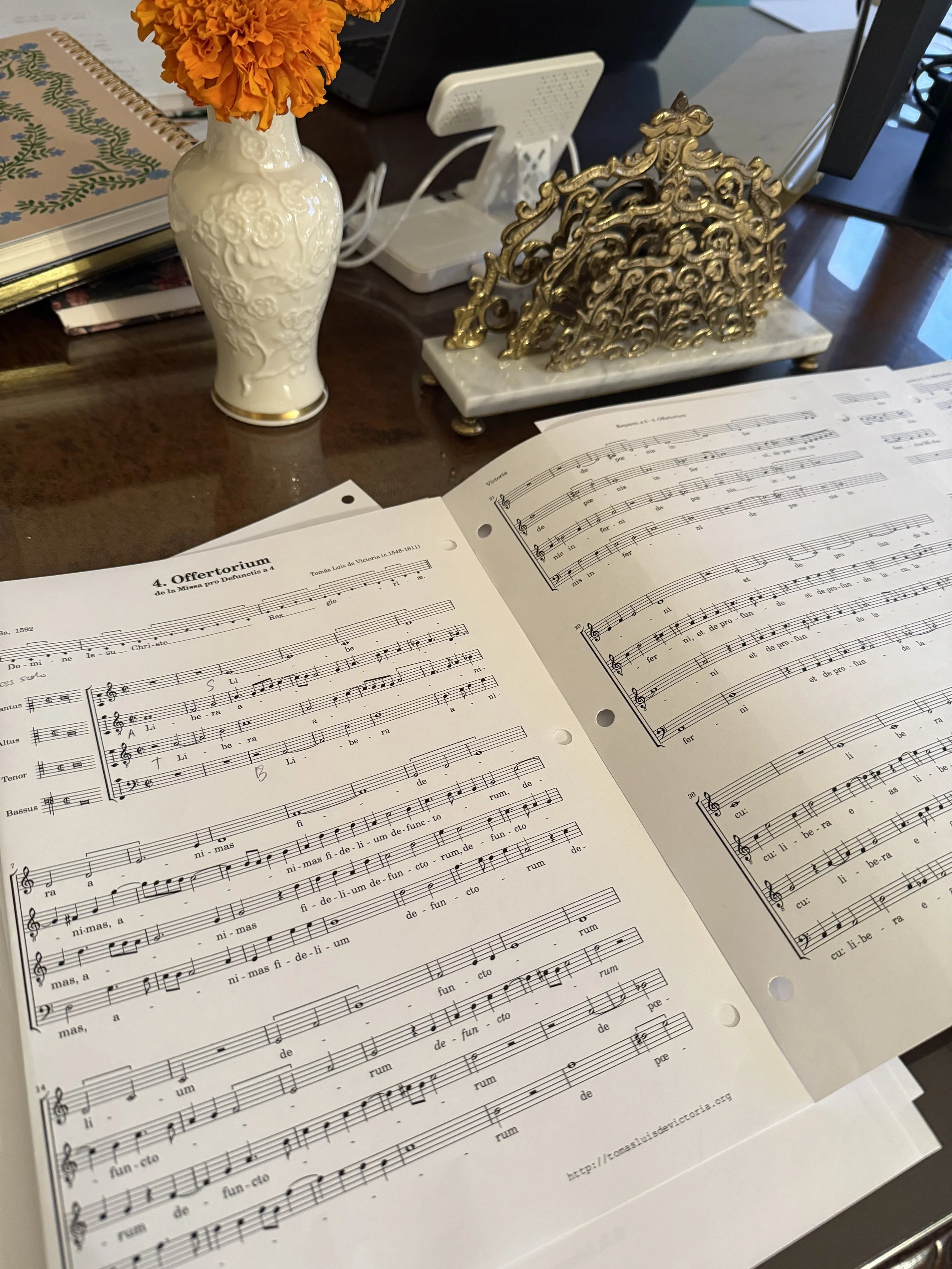
Organization necessary for success? Check.
Color coding to highlight themes and details? Check.
Managing multiple streams of thoughts simultaneously? Check
Paper and pencil non-negotiable? Check.
It turns out there’s a lot in common with using a planner for your day and with preparing a score as a choral conductor! If you’re wondering why a professional musician makes a great planner designer, keep reading and I’ll share my behind the scenes secrets with you!
Taking the leap from professional musician, (in my case organist and choral conductor primarily working as a church music director), to planner designer was less a decision and more a practical response. I needed a planner that had an hourly daily layout and it was frustrating to have to constantly flip back and forth between monthly and weekly layouts. Plus I needed a note pad to keep a running list of to dos and juggling an extra book was inconvenient. I went on Canva, designed a planner, printed it out on my desktop computer, and ordered hard covers and a ring binding from Amazon. I even used tape to attach the covers together. It was very DIY, but it worked and made my life a lot easier. After a few years, I began to ask myself whether this invention could possibly also help other people and here we are. So what are the skills I honed as a choral conductor that prepared me for this great leap into planner creation and running a planner business? Here are just a few that come to mind. (Disclaimer: These are just practical experiences where I’ve found similiarities as a professional musician to running a planner business. If you are a fellow musician or a fellow planner designer please understand this all meant to be lighthearted!)
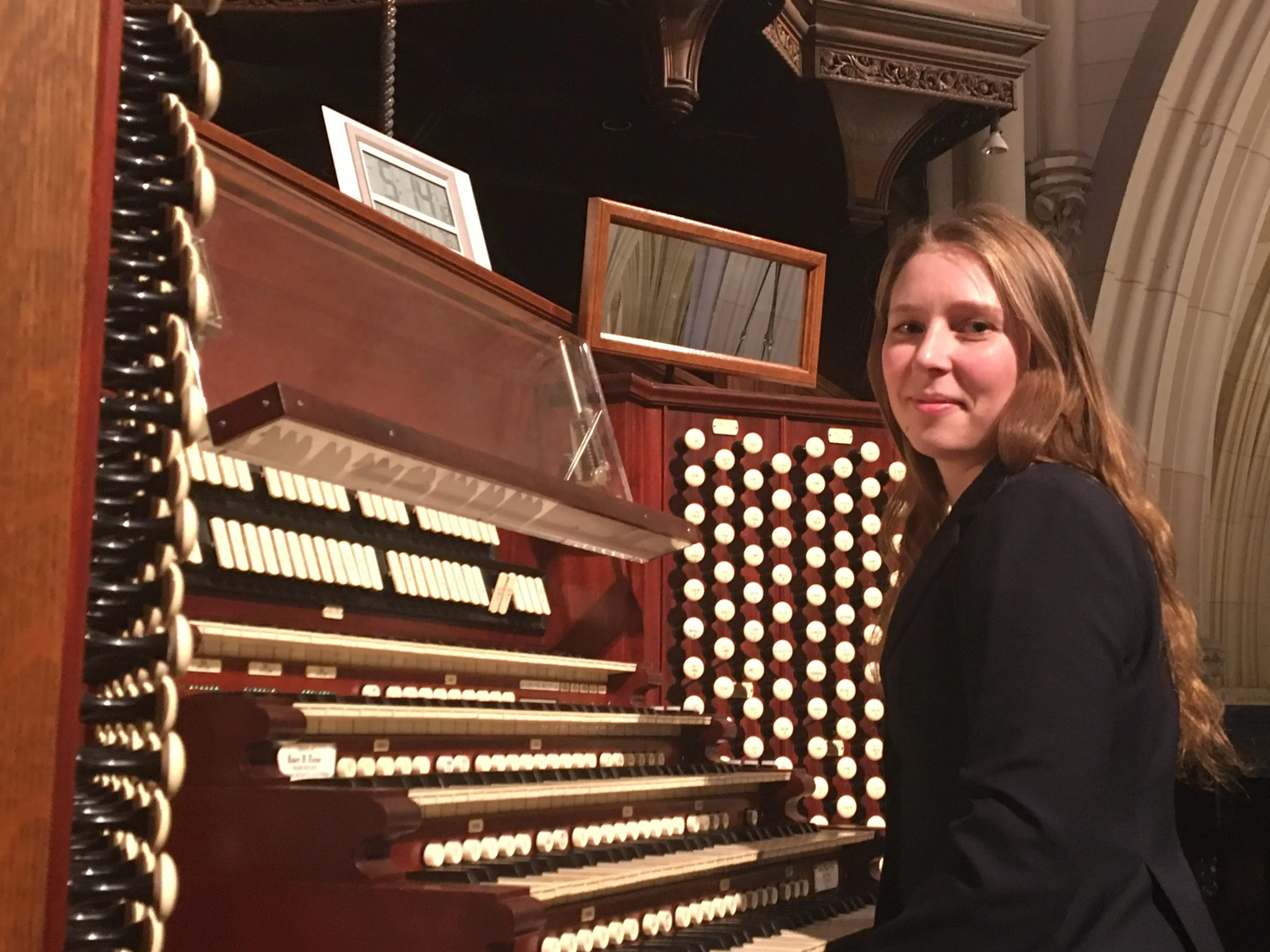
As a church music director, I have planned the music for countless liturgies. Putting together the music for a Sunday or special liturgy is a very precise art. There are many variables that have to be met for a musical selection to be appropriate for a given occasion, not limited to the number of voices available, voice ranges, whether the text matches the liturgical texts for the day/season, the level of musical difficulty, and rehearsal time constraints. Everything has to match and be a perfect fit.
There are also lots of decisions that require precision when designing a planner. It’s important to get familiar with the different features that various planners offer and to decide if they are features that users really need. As with music, the options range from noise to genius. Next, there are paper choices, binding choices, different cover options, colors, gilding, boxes, and packaging. Everything needs to work together to create a cohesive experience that makes sense.
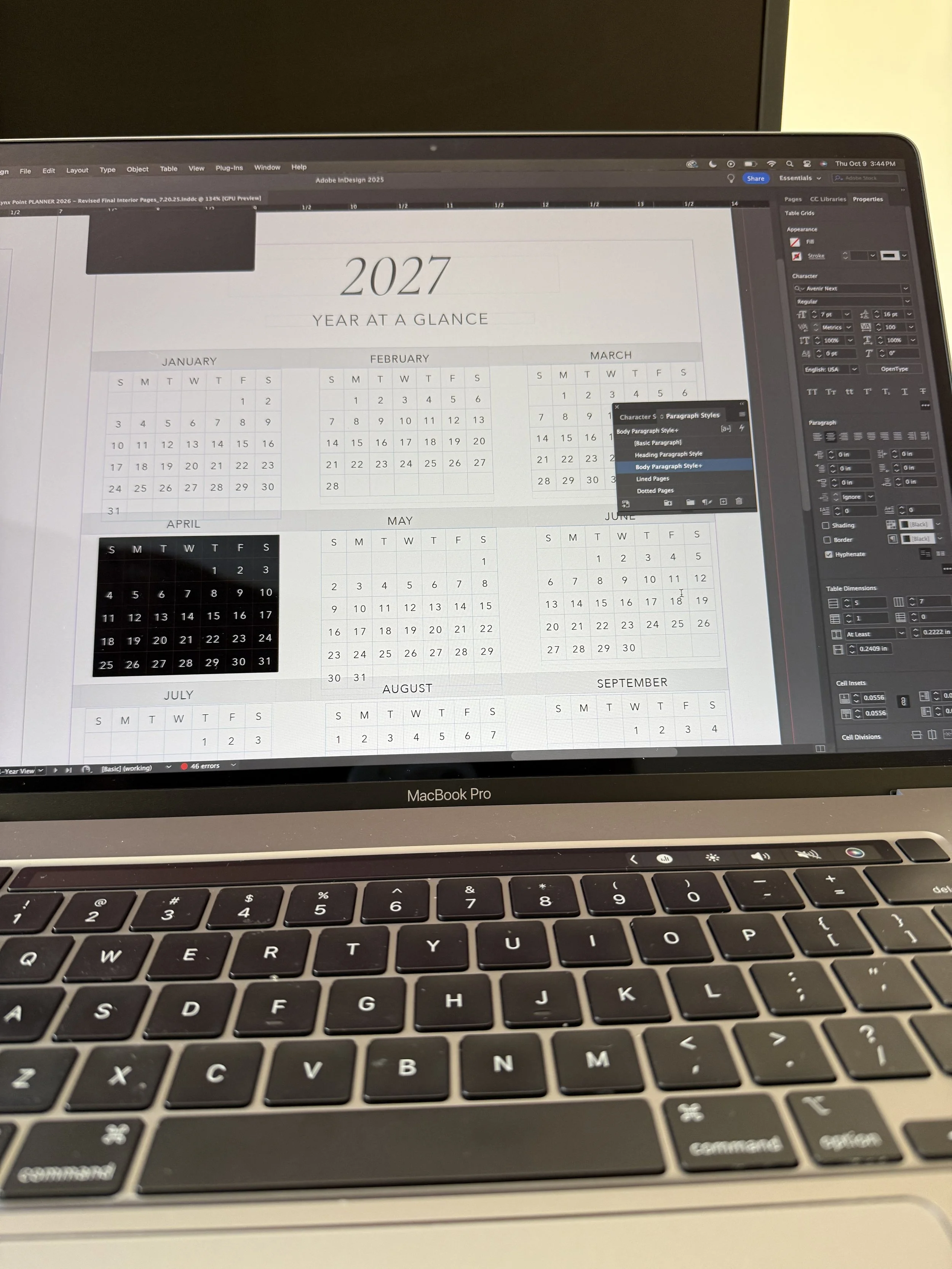
The design layout comes next. Starting with rough sketches and themes, the design is built with professional design programs. There are multiple rounds of revisions focusing both on the tiny details and the big picture layout. Themes in one part of the planner need to carry through and play out in a way that makes sense throughout the year.
This is similar to planning what pieces go where in a concert program. When I play an organ recital, the flow and theme of the pieces is essential to creating a pleasant listener experience. If the concert has a theme such as a particular time period, composer, country, genre, etc, there are decisions to make so that the program is balanced with louder and quieter pieces, pleasing variations of key signatures, and styles. This keeps listeners engaged and makes better auditory sense.
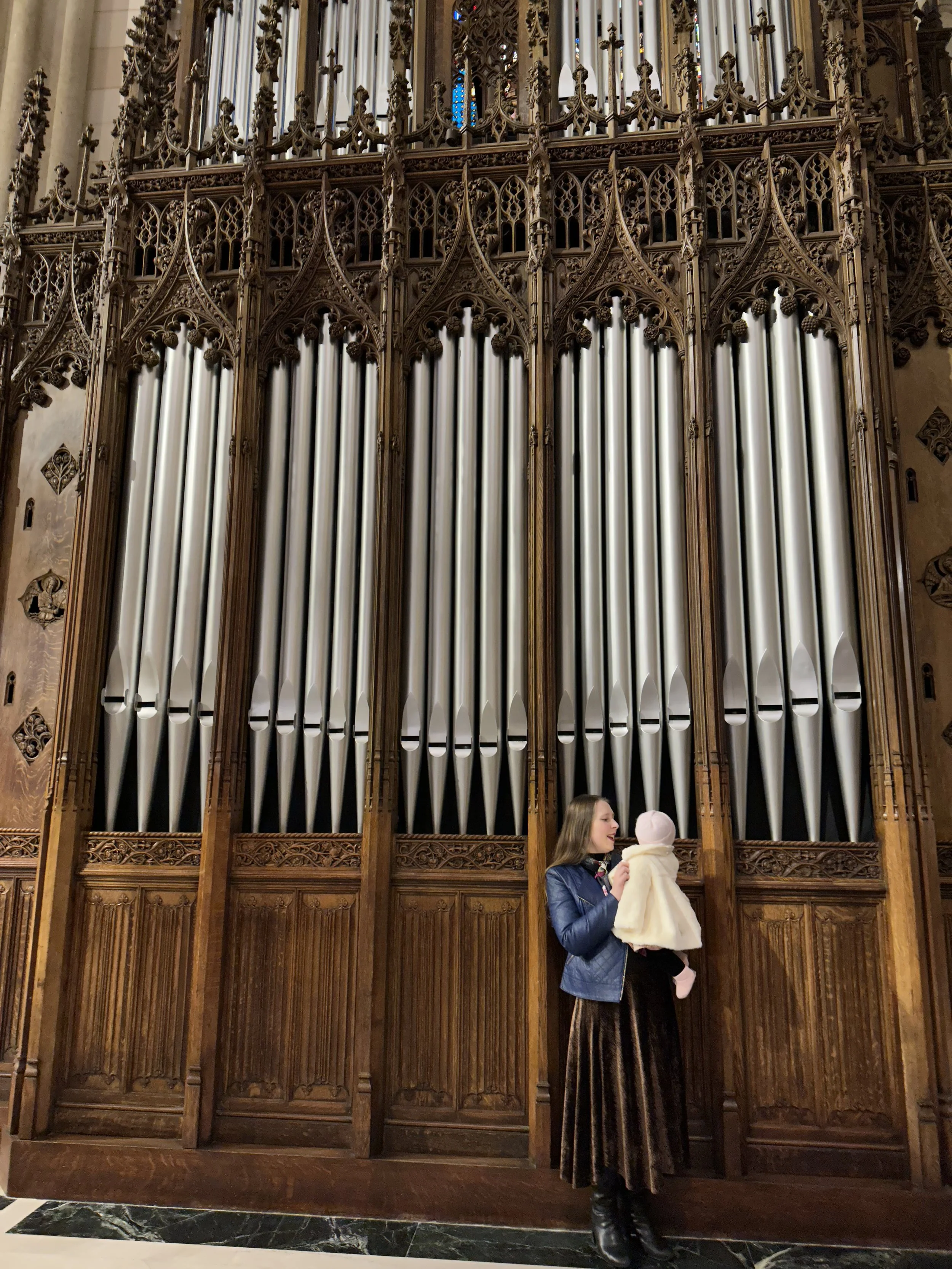
Another similarity is leading a team to bring a great creation to life. In planner design, the team includes a designer for fine tuning, a printing business coach, the liaison from the printer, finance advising, and a community of beta testers (shout out to the Lynx Point Society members!). Now as I move into the marketing phase, the focus is spreading the word about this awesome new addition to the world of planners and time organization products. Accordingly, I’ll be recruiting and inviting followers to join my launch team, reminiscent in many ways of recruiting for a choir. Just like getting a choir on the same page to work in the same direction, I’ll need to provide leadership, listening, and enthusiasm to help everyone feel like an important piece in the puzzle (because they actually are!!!).
Part of the job of a church music director includes creating printed materials like worship leaflets and leading marketing efforts for concerts, recitals, special liturgies. Fun fact: at one of my church jobs, I created no less than four unique printed leaflets per week (after planning the music for three different liturgies) in English, Spanish, and bi-lingual Latin-English and Latin-Spanish! The big challenge was when special holidays came up and everything multiplied exponentially! The planner designer side of me is now creating marketing materials to introduce the planner on social media, to the press, to potential influencers, and most importantly to make sure that you get a beautifully packaged gift for yourself, if you choose to purchase a copy. The same attention to design, functionality, and messaging is paramount. I wouldn’t want people to attend a Liturgy or concert and feel lost and left out. I also don’t want to put out marketing materials that leave out important details and leave people feeling confused. Instead, the goal is to bring people along on a wonderful journey with you.
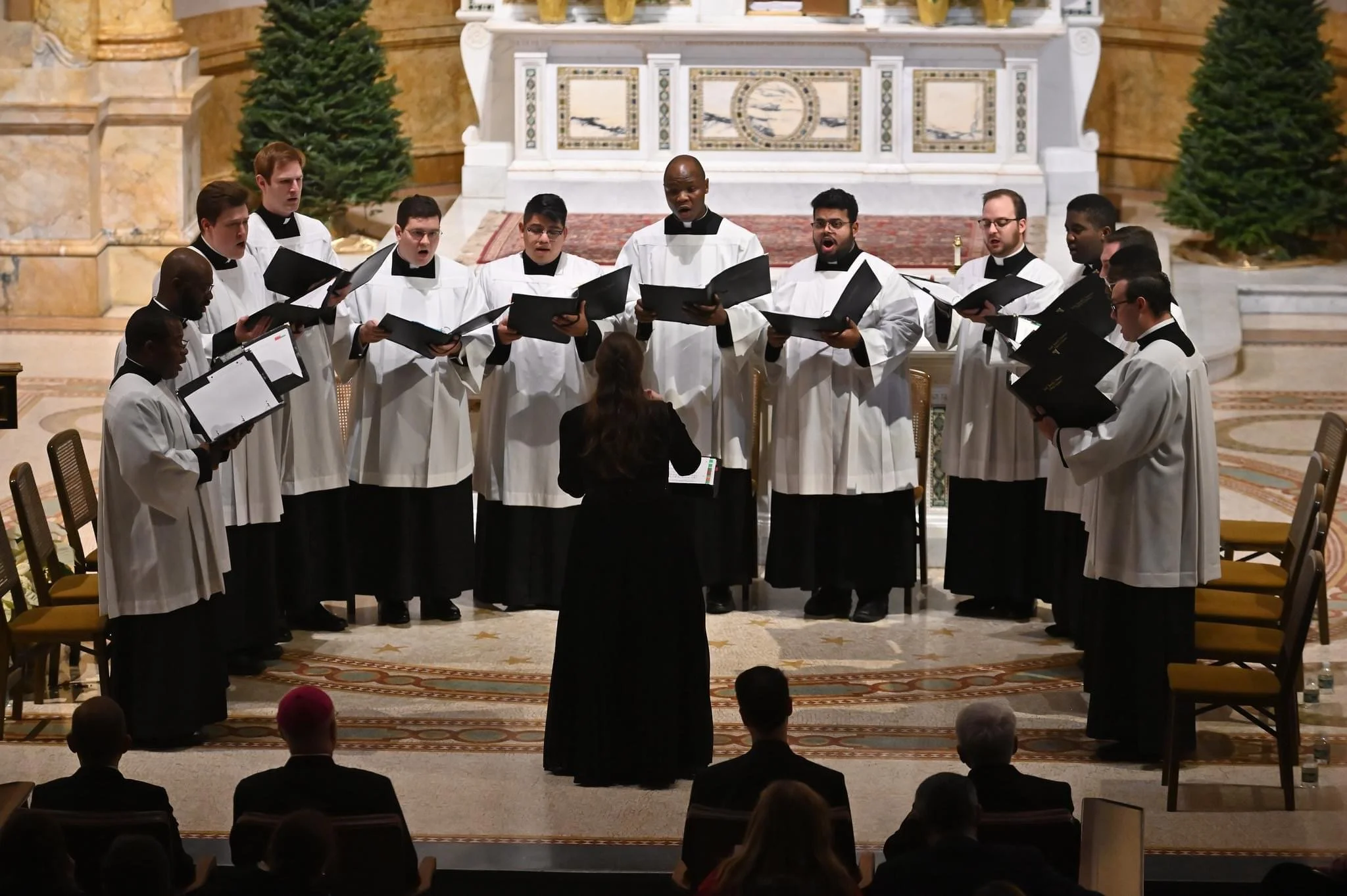
Finally, the finished product like a performance. Once it’s done there’s a great feeling of accomplishment and a job well done. However, the creative side of me is also immediately excited for the next creative project!
